









A recent legal development involving Anheuser-Busch has drawn attention in the US labor law landscape after a federal court rejected class action certification in a wage dispute involving brewery workers. The case highlights ongoing tensions between large corporations and employees over wage fairness, work classification, and compensation practices.
The decision has sparked discussions across the beverage and manufacturing industries, especially as similar labor disputes continue to emerge in the United States.
Court Decision Shakes Brewery Wage Dispute
The US court ruling effectively blocked a group of brewery workers from proceeding as a unified class action against Anheuser-Busch. Workers had alleged multiple labor violations related to unpaid work hours, overtime misclassification, and rest break issues.
By denying class certification, the court limited the case to individual claims rather than a collective legal challenge. This means each worker may now need to pursue claims separately, making the legal process more complex and time-consuming.
Key Allegations in the Wage Dispute
The lawsuit included several major claims related to workplace practices and compensation structure. These allegations form the core of the ongoing legal battle:
Off-The-Clock & Pre-Shift Work Claims
Workers argued that Anheuser-Busch required employees to perform unpaid tasks before official shift hours. These tasks allegedly included:
- Loading delivery trucks before clock-in
- Reviewing delivery routes and schedules
- Preparing equipment and inventory
- Completing mandatory setup duties without compensation
Employees claim these activities should be considered paid work under wage law regulations, as they are essential to job performance.
Worker Misclassification Issues
Another major claim focused on worker classification practices. Employees alleged:
- Some delivery and merchandising workers were incorrectly classified as exempt from overtime pay
- Certain roles were treated as independent contractors rather than employees
- Workers missed out on overtime compensation and legally required rest breaks
Misclassification cases are common in labor disputes and can significantly affect wage calculations and benefits eligibility.
PAGA Penalties and State-Level Claims
The case also involved provisions under the Private Attorneys General Act (PAGA), a California labor law that allows employees to file claims on behalf of the state.
Under PAGA, workers can seek civil penalties for labor code violations, even if individual damages are limited. The claims in this case included:
- Violations of wage and hour laws
- Failure to properly compensate pre-shift work
- Alleged systemic labor compliance issues
- Requests for civil penalties on behalf of affected employees
What the Court’s Ruling Means
The court’s decision to deny class action status is significant because it changes the structure of the legal battle. Instead of one collective lawsuit, employees must now proceed individually.
Key implications include:
- Reduced collective bargaining strength for workers
- Increased legal costs for individual employees
- Longer timelines for case resolution
- Potentially inconsistent outcomes across cases
- Stronger procedural advantage for large corporations
Legal analysts note that class certification decisions often shape the outcome of labor disputes as much as the final judgment itself.
Broader Impact on Labor Law Cases
This ruling comes at a time when wage and hour disputes are increasingly common in the US labor market. Industries such as beverage production, logistics, and retail have seen growing scrutiny over:
- Overtime pay compliance
- Worker classification standards
- Shift preparation compensation
- Break and rest period enforcement
The Anheuser-Busch case may influence how similar disputes are argued in future court proceedings, particularly those involving large-scale workforces.
Industry Spotlight: Wage Compliance Under Scrutiny
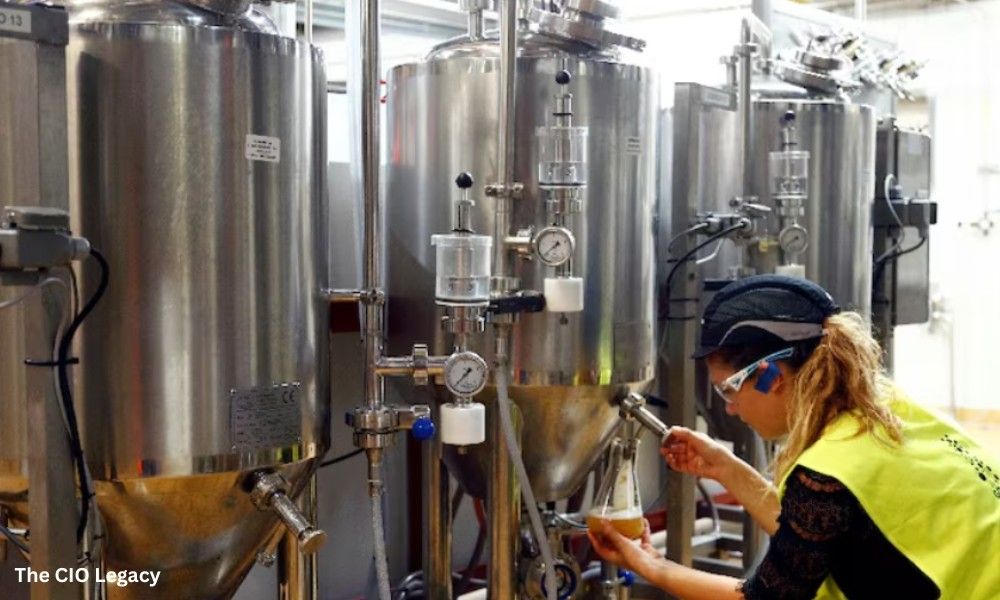
Large beverage companies like Anheuser-Busch operate complex distribution and production systems. In such environments, disputes often arise around unpaid preparatory work and scheduling practices.
Labor experts suggest that companies must carefully structure shift policies to ensure compliance with federal and state wage laws. Failure to do so can lead to long-running legal disputes and reputational risks.
For companies in the sector, wage compliance is becoming as important as operational efficiency.
Looking Ahead
While the court’s ruling limits this case from proceeding as a class action, the underlying wage allegations remain unresolved. Individual claims may still move forward, and broader questions about labor practices in the industry continue to surface.
As wage law enforcement becomes stricter across US states, companies like Anheuser-Busch are likely to remain under legal and regulatory observation.
The outcome of remaining proceedings could still influence future interpretations of wage law, especially regarding off-the-clock work and worker classification standards.