


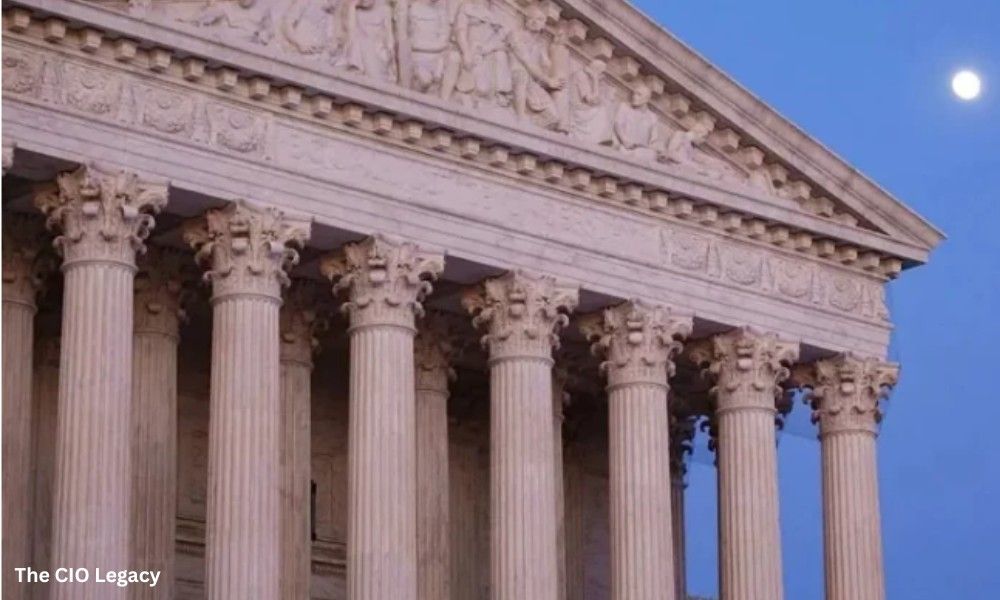






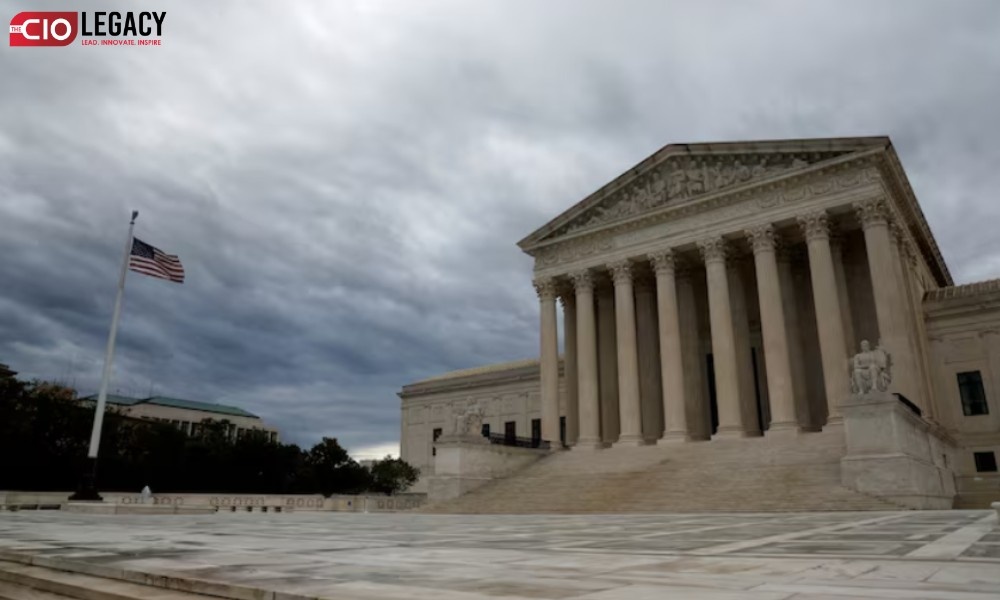
The United States Senate has taken a significant step toward increasing public access to the nation’s judicial system. A Senate committee recently advanced legislation that would allow cameras in the US Supreme Court and other federal courts, a move supporters say could improve transparency and help citizens better understand important legal proceedings.
The proposal has sparked widespread discussion among lawmakers, legal experts, and advocacy groups. While supporters believe public access to court proceedings is essential in a modern democracy, critics argue that cameras could influence courtroom behavior and potentially affect judicial independence.
Senate Committee Moves Forward with Transparency Effort
The legislation was approved by a Senate panel after extensive debate on how court proceedings should be shared with the public. If enacted, the bills would permit video coverage of Supreme Court arguments and proceedings in lower federal courts under specific guidelines.
The move reflects growing public demand for direct access to major government proceedings. Similar efforts have previously focused on expanding access to US Senate proceedings, where live broadcasts and recordings have become an important source of information for citizens.
Lawmakers backing the proposal argue that Americans should have the opportunity to observe court proceedings just as they can watch congressional sessions and public hearings.
Why the Camera Access Bills Matter
Supporters say allowing cameras in federal courts could provide several benefits:
- Increase transparency in the judicial system.
- Improve public understanding of legal decisions.
- Expand educational opportunities for students and researchers.
- Reduce dependence on second-hand interpretations of court proceedings.
- Strengthen public trust in government institutions.
Advocates believe that modern technology can help bridge the gap between the judiciary and the public without compromising courtroom integrity.
Public Interest in Government Hearings Continues to Grow
In recent years, public engagement with government hearings has increased significantly. Searches for terms such as US Senate hearing full video and US Senate hearing Google often surge whenever lawmakers discuss major national issues.
The growing interest reflects a broader desire among citizens to access information directly rather than relying solely on news summaries. Many Americans regularly watch congressional hearings, committee meetings, and policy discussions through online streaming platforms.
This trend has encouraged lawmakers to consider similar accessibility measures for the judicial branch.
Debate Over Cameras in Courtrooms
Despite support for the proposal, concerns remain about the possible effects of televised court proceedings.
Opponents argue that:
- Cameras may alter the behavior of attorneys and witnesses.
- High-profile cases could become media spectacles.
- Judicial proceedings may be misunderstood when viewed without legal context.
- Privacy concerns could arise in sensitive cases.
- Some legal scholars also point to the unique role of the Supreme Court, arguing that the court’s independence should be protected from political and media pressures.
The debate mirrors discussions that have occurred during previous congressional hearings, including policy-focused sessions held in the US Senate hearing room on technology, privacy, and national security matters.
Growing Focus on Public Access and Accountability
The effort comes at a time when transparency remains a major issue across government institutions. Congressional committees continue to hold hearings on a wide range of topics, from technology regulation to international relations.
Recent public discussions have included the US Senate hearing on India, social media oversight, and digital privacy concerns. Interest in recordings of events such as the US Senate hearing social media full video demonstrates the public’s desire to closely follow government decision-making.
Lawmakers have also shown increasing interest in technology policy. Earlier discussions included proposals connected to a Senate panel to hold privacy focused AI hearing, highlighting broader efforts to address emerging challenges in the digital age.
Legislative Path Ahead
The camera access bills must still clear additional legislative hurdles before becoming law. Both chambers of Congress would need to approve the measures, and final legislation would require presidential approval.
The development follows several recent debates over government transparency and oversight, including discussions surrounding surveillance policies and measures similar to the US House passes controversial surveillance bill on fourth attempt debate that attracted national attention.
For now, the Senate committee’s action represents a notable step toward opening federal court proceedings to a wider audience. Whether the proposal ultimately becomes law or not, it has reignited a national conversation about transparency, accountability, and the public’s right to observe the institutions that shape American democracy.
Key Takeaways
- Senate panel advances bills allowing cameras in the Supreme Court and federal courts.
- Supporters say the measure would improve transparency and public understanding.
- Critics warn of potential impacts on courtroom behavior and judicial independence.
- Public demand for access to government proceedings continues to grow.
- The legislation must pass additional stages before becoming law.
Future of Court Transparency Remains in Focus
The Senate panel’s decision to advance court camera access legislation marks an important moment in the ongoing debate over transparency in the American judicial system. Supporters view the proposal as a way to bring the courts closer to the public, while opponents remain cautious about its potential impact on judicial proceedings. As the bills move through the legislative process, the discussion is likely to continue, highlighting the balance between public access, accountability, and the independence of the nation’s courts. Whether enacted or not, the proposal has renewed attention on how Americans engage with and understand their government institutions.