





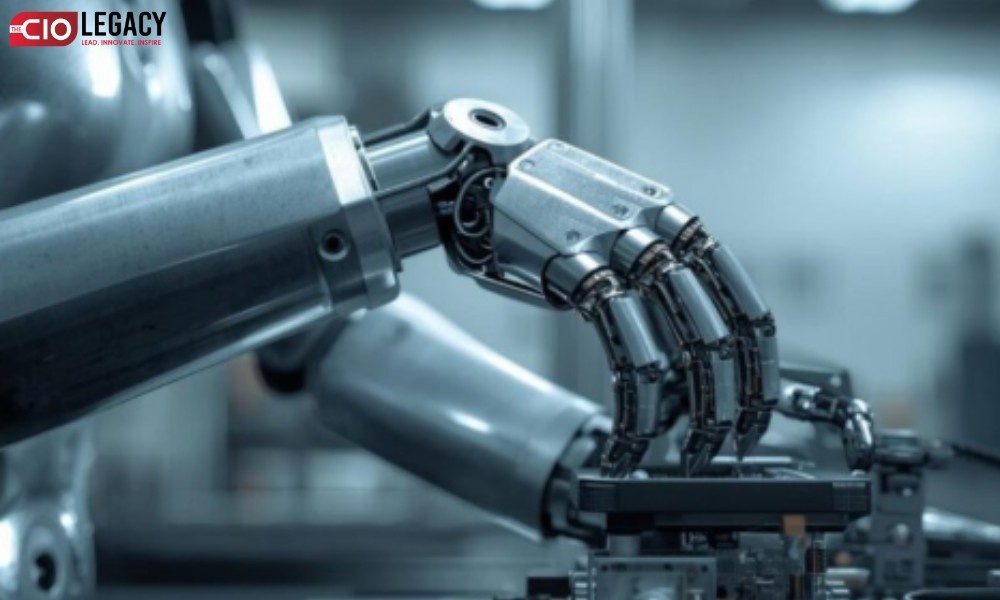



The global robotics industry is entering a new phase of growth as humanoid robot manufacturing expands across major markets. Companies worldwide are increasing investments in advanced production facilities, research centers, and factory automation to meet growing demand for human-like robots.
From manufacturing plants and warehouses to logistics hubs and service industries, humanoid robots are increasingly being tested and deployed to perform repetitive, physically demanding, and precision-based tasks. As technology continues to advance, industry experts believe the market for humanoid robots could experience significant growth over the next decade.
The latest developments highlight how humanoid robot manufacturing companies are preparing for a future where robots become an essential part of everyday business operations.
Humanoid Robot Manufacturing Gains Global Momentum
Several robotics firms have announced plans to expand production capabilities as demand for humanoid robots rises. New manufacturing facilities are being developed in multiple regions to increase output and accelerate innovation.
Industry leaders are focusing on creating robots that can move, interact, and work in environments originally designed for humans. This approach allows businesses to integrate robotic workers without making major changes to existing facilities.
As a result, humanoid robot manufacturing is becoming one of the fastest-growing segments within the broader robotics industry.
Why Businesses Are Investing in Humanoid Robots
Companies across different sectors are exploring the benefits of humanoid robots in factory environments and industrial operations.
Unlike traditional industrial robots that are often confined to specific tasks, humanoid robots are designed to perform a wider range of functions. Their human-like structure enables them to navigate workplaces, handle tools, and collaborate with human employees.
Key advantages include:
- Increased operational efficiency
- Reduced labor shortages
- Improved workplace safety
- Consistent task performance
- Ability to work in challenging environments
- Enhanced productivity during peak demand periods
These benefits are encouraging businesses to explore robotic solutions for long-term growth.
Humanoid Robots in Factory Operations
One of the biggest drivers behind the industry’s expansion is the growing use of humanoid robots in factory settings.
Manufacturers are testing robots for tasks such as:
- Material handling
- Product assembly
- Quality inspections
- Packaging operations
- Warehouse transportation
- Equipment monitoring
Factories are increasingly looking for flexible automation systems capable of adapting to changing production needs. Humanoid robots offer a promising solution because they can perform multiple tasks while operating alongside human workers.
As technology improves, experts expect robots to take on more responsibilities within industrial facilities.
Competition Among Humanoid Robot Manufacturing Companies
The race to lead the humanoid robotics market is intensifying. Established technology firms and emerging startups are competing to develop smarter, faster, and more capable robotic systems.
Many humanoid robot manufacturing companies are investing heavily in research and development to improve mobility, balance, object recognition, and workplace adaptability.
Industry analysts note that competition is helping accelerate innovation while reducing production costs. This trend could make humanoid robots more accessible to businesses of all sizes in the coming years.
The increasing number of humanoid robot manufacturing companies entering the market also demonstrates growing confidence in the industry’s future potential.
Key Trends Shaping the Industry
Several factors are influencing the rapid growth of humanoid robotics worldwide:
Expanding Automation Needs
Businesses continue to seek automation solutions that improve productivity and operational efficiency.
Labor Market Challenges
Many industries face workforce shortages, creating opportunities for robotic assistance.
Advances in Robotics Engineering
Improved hardware, sensors, and control systems are making robots more capable and reliable.
Increased Investment
Governments, investors, and technology companies are funding robotics projects at unprecedented levels.
Global Manufacturing Expansion
New production facilities are helping meet growing demand while supporting faster deployment of robotic systems.
What the Future Holds
The future of humanoid robot manufacturing looks increasingly promising as organizations seek innovative ways to improve productivity and address workforce challenges.
Industry experts believe humanoid robots will gradually move beyond experimental projects and become a common feature in factories, warehouses, healthcare facilities, retail environments, and logistics operations.
While challenges related to cost, scalability, and workforce integration remain, continued investment and technological progress are expected to drive widespread adoption.
As humanoid robot manufacturing expands globally, businesses and consumers alike are witnessing the early stages of what could become one of the most transformative developments in modern industrial technology. The growing presence of humanoid robots in factory operations signals a future where humans and machines work together to create safer, more efficient, and highly productive workplaces.